Sudden Pressure Loss Repair
We trace sudden whole-house pressure drops for homeowners and property managers, checking supply lines and accessible plumbing; diagnostic cost is typically $75–$200, depending on testing and travel.
A softener that leaves every faucet weak can turn routine handwashing and showers into a daily hassle. Arizona Plumbing Pros repairs water-softener flow problems across Arizona, tracing restrictions to the softener and its connections.
Browse all service options available across Arizona and choose the right fit for your project.
We trace sudden whole-house pressure drops for homeowners and property managers, checking supply lines and accessible plumbing; diagnostic cost is typically $75–$200, depending on testing and travel.
We repair or replace residential pressure regulators, with cost shaped by valve size and access. Typical replacement runs $250–$600.
We repair residential booster pumps, checking pump controls and connections; typical repair costs depend on pump capacity, parts, and access, with larger or harder-to-reach units costing more.
Install a residential booster pump sized for household flow; typical Arizona jobs run $800–$2,500, depending on pump capacity and wiring. We serve homes near Downtown Glendale and beyond.
We trace weak hot-water flow in Arizona homes, checking heater connections and nearby piping; typical repairs run $150–$600, depending on access and parts.
We restore weak faucet flow for Arizona homeowners, checking the aerator and fixture supply; repair scope and access shape the cost.
We trace and repair pressure-related water leaks in homes, including concealed pipe leaks; access and wall repair needs shape the job scope and cost.
We repair or replace residential well pressure tanks, matching tank size and plumbing connections; replacement typically runs $500–$1,500 depending on tank size and access.
We clear residential and commercial pipe blockages, including debris in accessible drain lines; job pricing depends on blockage depth, pipe access, and the repair needed.
We clear or replace clogged home water filters; service scope and cartridge access affect the job. Prescott Courthouse Plaza is a local reference, while elevation-related rainfall and Flagstaff’s colder winters can sh...
Well water pressure repair for homeowners includes testing the well system and its pressure tank; tank size and plumbing access affect replacement scope, with tank work typically $500–$1,500.
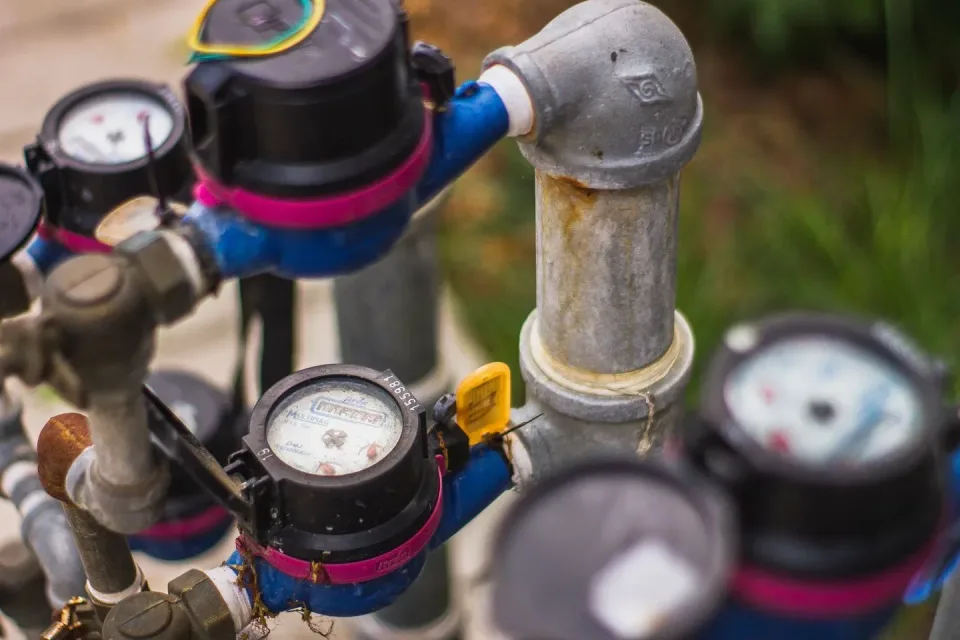
Low flow after a softener cycle can point to restricted resin, a valve issue, or a partially closed bypass. We measure pressure at a hose-bib connection and compare flow with the softener in service and bypass, so the repair targets the right part rather than masking the restriction. Many homes operate near 40–60 PSI, but readings under flow help show whether the softener is causing a pressure drop.
Hard water mineral buildup can restrict plumbing flow, so we inspect fittings and the unit’s flow path for deposits rather than assuming the softener itself has failed. At the Pima Air and Space Museum, visitors follow carefully maintained systems; at home, keeping the softener’s service and bypass settings clear helps avoid confusion when flow changes. Low desert humidity increases evaporation and water demand, which can make reduced household flow more noticeable during daily use.
We explain what we find, confirm the repair scope, and complete agreed work to applicable Arizona requirements. Call (877) 773-0781 to review the symptoms and arrange an assessment.
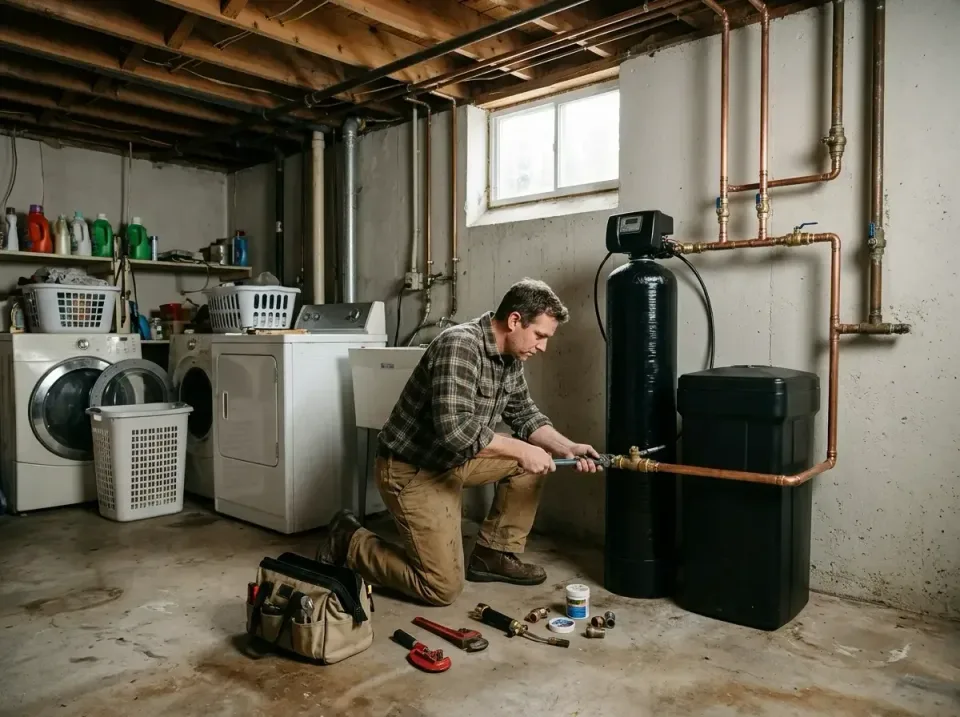
We begin by recording the softener’s current settings and checking pressure at a hose-bib connection. Next, we compare flow with the unit in service and bypass, then inspect the valve, fittings, and accessible media path for restrictions. The comparison helps distinguish a softener-related pressure drop from a broader supply issue.
At Camelback Mountain, routes vary with elevation; a home’s plumbing layout likewise affects access and testing time. We explain findings and confirm the repair scope before touching the system.
After the agreed repair, we return the unit to service and check operation at a fixture. A pressure reading needs context: pressure measured while water flows can reveal restrictions that a no-flow reading misses.
In Flagstaff, winter conditions differ sharply from Phoenix, so statewide scheduling and access planning account for the property’s location and conditions. For installation-related symptoms, our softener pressure guide offers useful context.
A softener near the Arizona State Capitol may have the same symptoms as one near Papago Park, but its fittings and service access can differ. A rushed bypass adjustment can hide a restriction without fixing it.
We measure before recommending work. We compare readings through the softener and bypass, inspect accessible connections, and explain whether the evidence points to the unit.
Dust storms can reduce visibility and damage outdoor equipment, so we also check exposed connections for visible debris or damage when the layout makes that relevant. Summer heat accelerates wear on outdoor pump equipment; if the softener is paired with exposed equipment, we consider that condition rather than treating every pressure complaint alike.
At Petrified Forest National Park, weather shapes what visitors bring; in a home, we plan access and parts around the actual installation. Our Arizona ROC-licensed plumbing crew confirms scope before work and follows applicable requirements. A clear diagnosis helps avoid replacing parts that do not address the restriction.
If flow falls after a softener cycle, the quote depends first on whether the restriction is in the unit, its valve, or nearby piping. A pressure diagnosis typically costs $75–$200, reflecting testing and travel. If inspection identifies a softener component, parts availability, valve design, and working clearance shape the repair scope; final quotes vary with repair scope, equipment, access, and site conditions.
A softener sits in a system, so the technician must identify the source before recommending a part. At Watson Lake in Prescott, shoreline conditions shape recreation; at a home, Downtown Glendale’s varied property layouts can similarly affect access to plumbing equipment.
Horseshoe Bend draws visitors to a specific overlook, while repair estimates depend on the exact service location and reachable connections. Monsoon season typically runs June through September, so plan access around weather when outdoor work is involved. Contact Arizona Plumbing Pros for a final quote matched to the job scope at (877) 773-0781.
A clear scope helps you understand which checks and repair tasks are included before work starts. Ask whether the technician will check pressure at fixtures and the system, and request an explanation of any options that fall outside the proposed work.
Reviewing the written scope, payment terms, and any conditions before approving work helps prevent misunderstandings.
If softener flow remains restricted, remember that Arizona has no coastline or coastal climate, cold snaps can freeze outdoor pipes and hose bibs, monsoon storms can expose roof and drainage leaks, and rainfall varies by elevation; call Arizona Plumbing Pros at (877) 773-0781 to review your repair scope.
Yes, monsoon storms bring sudden downpours and flash flooding, but they do not by themselves prove a softener is restricted. Note whether flow changed after a storm and whether the problem affects water passing through the softener; that comparison helps our crew focus the inspection.
A permit depends on the work scope and the jurisdiction, not simply on being in Old Town Scottsdale. For work in Phoenix, plumbing permits are scope-dependent; we confirm applicable requirements before proceeding.
The landmark alone does not determine a repair, but a softener’s settings and plumbing connections do. Share when the pressure change began and whether the unit was recently installed so the crew can assess the system rather than assume a cause.
No, do not force a valve or change unfamiliar settings; check only whether the bypass handle appears fully open or closed. South Mountain Park and Preserve is a useful local reference, but your home’s softener layout determines which controls are safe to operate.
Yes, Arizona Snowbowl’s high-elevation setting means winter access and exposed plumbing conditions can differ from low-desert homes. Tell us the property location and whether the softener or its connections are outdoors so we can account for freeze exposure.
Select a city to find local low water pressure repair providers we cover in Arizona.