Sudden Pressure Loss Repair in Fort Mohave, AZ
We trace sudden whole-house pressure drops for homeowners and property managers, checking supply lines and accessible plumbing; diagnostic cost is typically $75–$200, depending on testing and travel.
At the Colorado River, vacation homes may sit unused between visits, so a pressure problem can go unnoticed until a tap barely runs.
Hard water mineral buildup can narrow plumbing passages over time; we check affected fixtures and accessible components rather than assuming the whole supply is weak. Low desert humidity also increases evaporation and water demand, which can make steady household flow especially important for daily use.
Our team traces pressure loss to its source, explains the findings, and confirms the scope with you before work begins. We handle repairs at fixtures and plumbing equipment, and can assess whether a clogged filter or pump issue is contributing. Clear access to the meter and any pump equipment helps us work efficiently.
We coordinate Fort Mohave appointments through our Fort Mohave, AZ dispatch team. Tell us which fixtures are affected and whether the issue began suddenly. Call (877) 773-0781 to arrange a visit.
We trace sudden whole-house pressure drops for homeowners and property managers, checking supply lines and accessible plumbing; diagnostic cost is typically $75–$200, depending on testing and travel.
We repair or replace residential pressure regulators, with cost shaped by valve size and access. Typical replacement runs $250–$600.
We repair residential booster pumps, checking pump controls and connections; typical repair costs depend on pump capacity, parts, and access, with larger or harder-to-reach units costing more.
Install a residential booster pump sized for household flow; typical Fort Mohave, AZ jobs run $800–$2,500, depending on pump capacity and wiring. We serve homes near Downtown Glendale and beyond.
We trace weak hot-water flow in Fort Mohave, AZ homes, checking heater connections and nearby piping; typical repairs run $150–$600, depending on access and parts.
We restore weak faucet flow for Fort Mohave, AZ homeowners, checking the aerator and fixture supply; repair scope and access shape the cost.
We trace and repair pressure-related water leaks in homes, including concealed pipe leaks; access and wall repair needs shape the job scope and cost.
We repair or replace residential well pressure tanks, matching tank size and plumbing connections; replacement typically runs $500–$1,500 depending on tank size and access.
We clear residential and commercial pipe blockages, including debris in accessible drain lines; job pricing depends on blockage depth, pipe access, and the repair needed.
We clear or replace clogged home water filters; service scope and cartridge access affect the job. Prescott Courthouse Plaza is a local reference, while elevation-related rainfall and Flagstaff’s colder winters can sh...
We repair residential softener flow restrictions, checking valve and bypass access; typical repairs run $150–$500, depending on parts and access.
Well water pressure repair for homeowners includes testing the well system and its pressure tank; tank size and plumbing access affect replacement scope, with tank work typically $500–$1,500.
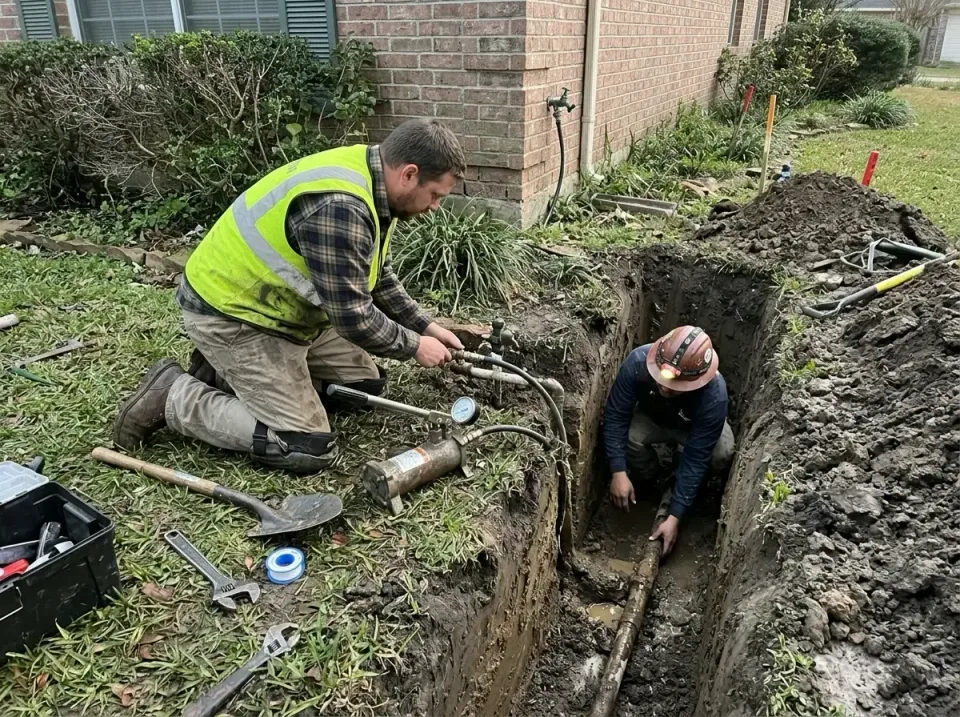
Near Valley View Medical Center, low water pressure can disrupt a home’s routine; our team checks the plumbing system rather than treating the nearest weak faucet as the only problem. Fort Mohave’s mild dry winters mean outdoor plumbing still needs attention, while exposed lines should be checked if a cold snap is expected.
We measure pressure, explain what the readings show, and confirm the repair scope before starting. Expect a clear explanation of the diagnosis and practical repair options. Call (877) 773-0781 to schedule.
A shower that weakens when another tap runs, or poor flow across a stucco desert home, calls for pressure testing before parts are replaced. Summer heat can accelerate wear on outdoor pump equipment, so our crew checks accessible pump components as well as the plumbing inside.
We begin with the affected fixtures and compare pressure readings while water is flowing. Dust storms can damage outdoor equipment; if a pump sits outside, we inspect its condition and connections rather than assuming the fault is indoors. Monsoon humidity and storms can expose roof and drainage leaks, so visible water near plumbing equipment is worth mentioning during the visit.
You can safely note which taps lose flow and whether the issue changes when another fixture runs. Our service area includes Fort Mohave ZIP codes 86426 and 86427. We explain what the tests indicate and recommend repair options suited to the property.
A pressure change near the Colorado River deserves a plumbing check, not a guess based on weather alone. Monsoon season typically runs June through September; after a storm, note any new damp areas or changes in water flow and share them with our crew.
Rainfall varies widely by elevation and location, so conditions elsewhere in the state do not establish what happened at a Fort Mohave property. A water softener can be part of a pressure problem if flow through the system is restricted, and our team checks it when the symptoms point that way.
We can inspect the affected fixtures and accessible equipment, then explain what the evidence supports.
Before recommending a repair, we record static pressure and dynamic pressure the reading taken while water is flowing so the diagnosis reflects actual use. A low water pressure repair quote should follow those measurements, not a guess from one weak faucet.
Fort Mohave work is subject to applicable local requirements; City of Phoenix permits and Phoenix code amendments do not govern this community. Skipping a required permit or inspection can leave an owner without documented approval and may complicate later property work.
Our team explains when the job scope calls for additional review, confirms the work plan, and performs the agreed repair under applicable requirements. Ask us about the compliance steps for your Fort Mohave property before work begins.
Arizona Plumbing Pros focuses on clear findings and practical repair options.
The team understands how hard water, heat, and mineral buildup can affect regulators, filters, and booster pumps. That local experience helps guide a focused diagnosis.
Service is scheduled across Arizona with travel distance and local access in mind. The team communicates about scheduling so you know what to expect before a technician arrives.
Each visit moves from pressure checks to a clear repair plan and a final system review.
Discuss the Issue
Tell the team which fixtures are affected and when the pressure changes. This helps the technician prepare for the visit and focus the initial checks.
Test System Pressure
The technician records static and flowing pressure, then checks multiple fixtures to separate a local restriction from a wider system concern. You get findings to guide the diagnosis.
Complete and Verify
After the agreed repair, the technician checks system operation and confirms there are no active leaks before increasing pressure. You get a practical summary of the work.
A toilet tank that takes longer than usual to refill can point to a supply restriction or pressure concern. Notice whether other fixtures behave differently, and share that detail during diagnosis.
Debris or mineral deposits caught at a faucet aerator can be an early clue that buildup is affecting flow. Checking more than one fixture helps distinguish a local obstruction from a broader system issue.
A spring pressure check can help identify mineral buildup or worn system components before household water use shifts. Technicians test at fixtures and across the system, then explain findings and repair options.
Extreme summer heat can add strain to pressure regulators, filters, and booster pumps. A system check can help identify where pressure is being restricted and clarify what repair, if any, is appropriate.
Fall is a useful time to review pressure changes that appeared during heavier household use. A technician can check multiple fixtures, record system pressure, and explain whether a localized or system-wide repair is needed.
Mild, dry winters offer a practical window to address pressure concerns without waiting for a more disruptive failure. Testing can reveal buildup or equipment issues, with repair options explained before work begins.
Permit needs depend on the work and local requirements. Ask the provider to explain whether one applies and who handles it, so the project scope and responsibilities are clear before work starts.
Ask for the proposed scope and any applicable terms in writing before approving work. Reviewing them first helps you understand what is included, what is excluded, and when additional approval may be needed.
Request a quote online or contact our Fort Mohave, AZ team directly by phone or email.
Note whether the drop affects every fixture or only one, and check whether another tap changes the flow. If several fixtures are affected, our team can measure pressure and trace the cause before recommending a repair.
The change can point to a restriction or a supply issue, but the symptom alone does not identify the source. Tell our crew which fixtures are involved and whether the problem occurs throughout the Fort Mohave property.
It can be a factor if flow through the system is restricted. If the pressure changed after installation or service, mention that timing so we can include the softener in our inspection.
Low Water Pressure Repair is also available in these nearby communities across Arizona.